Foundational Planning
Estate Planning Should Fit the Life You’ve Actually Built
A good estate plan is not just a trust, a will, or a set of signed documents. It is a coordinated legal structure built around your family, your assets, your decision-makers, your business interests, and the people or purposes you want to protect.
For business owners, founders, real estate investors, and families with more moving parts, estate planning should do more than answer what happens when you die. It should also address who can act if you cannot, how assets are owned, what risks need to be managed, and whether the plan can adapt as your life becomes more complex.

More Than a Stack of Paper
People often think estate planning means creating a trust, signing a will, getting a power of attorney, and putting the papers in a binder. That may produce documents. It does not necessarily produce a plan.
The real question is whether your legal documents, asset ownership, decision-making authority, and long-term objectives are working together. A trust may say one thing, but the way an asset is titled may send it somewhere else. A power of attorney may exist, but it may give too much authority, too little authority, or authority to the wrong person. A plan may avoid probate but still fail to address family conflict, business complexity, disability, creditor risk, or future tax issues.
Good estate planning starts with the circumstances on the ground. Who are the people involved? What do you own? How is it titled? What happens if you are alive but unable to act? Who understands your business or investments? What risks are you carrying? What should happen next if the person who built the structure is no longer there to explain it?
That is the difference between having estate planning documents and having an estate plan.
The Pieces That Need to Work Together
A strong estate plan coordinates the documents, ownership, authority, and people involved so the plan works when it is actually needed.
Incapacity Planning
Estate planning should address what happens if you are alive but unable to act. The right people need clear authority to manage finances, communicate with doctors, pay bills, coordinate care, and make decisions without unnecessary court involvement.
Trusts, Wills, and Authority
A trust or will should do more than name beneficiaries. It should define who has authority, when that authority begins, how assets are administered, and what happens if the first person named cannot serve.
Asset Ownership
Ownership has to match the plan. Joint ownership, beneficiary designations, business interests, trust funding, and asset titling can all affect whether the plan actually works the way the documents say it should.
Business and Investment Interests
Business owners and investors often have assets that do not fit neatly into basic estate planning. Entities, real estate, personal guarantees, investor interests, and succession issues need to be coordinated with the estate plan.
Risk Management
As wealth, investments, and business exposure grow, the plan may need to evolve. A revocable trust can help with succession, but some clients also need asset protection, risk management, or advanced planning.
Long-Term Direction
Estate planning should protect more than money. It can preserve family stability, business continuity, charitable intent, beneficiary protections, and the long-term vision behind something you have built.
A Better Way To Think About Estate Planning
The Law Already Has a Plan. Does It Fit You?
The law already has default rules for inheritance, decision-making, and administration. Those rules are broad by necessity. They are not built around your family, your assets, your business interests, or the people you trust.
Estate planning lets you replace those defaults with intentional choices: who can act, who benefits, how assets are managed, what protections exist, and how much flexibility the plan should preserve.
The goal is not complexity. The goal is fit.

It is not about having a stack of paper. It is about whether the plan fits your circumstances.
The first level of planning creates a structure for incapacity, death, children, beneficiaries, and private administration. This may include a revocable trust, will, powers of attorney, healthcare directives, HIPAA authorizations, and successor decision-makers. The goal is to make sure the right people can act and the right structure exists before a crisis occurs.
As a client’s risk profile changes, the planning may need to address asset protection and risk management. Business owners and investors may have personal guarantees, company obligations, employment exposure, investment risk, or valuable personal assets that should not necessarily remain exposed to business or investment liabilities.
As wealth increases or a significant sale, liquidity event, or transfer approaches, the planning conversation may shift again. At that point, state income tax, federal income tax, gift tax, estate tax, dynasty planning, and more sophisticated trust structures may become relevant. Advanced planning should follow the client’s actual situation, not a generic checklist.
Planning Continuum
Your Estate Plan Should Be Able To Evolve
An estate plan should not remain frozen while the rest of your financial life changes. A young family, a growing business owner, a real estate investor, and a founder approaching a liquidity event may all need different levels of planning. The plan should match the current risk, wealth, family structure, and business reality. Jeff’s planning progression moves from basic estate and incapacity planning, to asset protection and risk management, to advanced tax planning when wealth or a major transaction justifies it.
Estate Planning for People With More Moving Parts
Nearly everyone can benefit from thoughtful estate planning. Cardon Law is especially focused on clients whose lives involve enough complexity that the documents need to be carefully coordinated with assets, authority, risk, and long-term intent.
Business Owners and Founders
Business owners often carry the structure of the business in their heads. The estate plan should help organize ownership, succession, risk, and family continuity before someone else has to reconstruct it.
Real Estate Investors
Real estate investors may own property through entities, partnerships, trusts, and personal holdings. The plan should account for ownership, management, liability exposure, and continuity.
High-Net-Worth Families
Families with significant assets may need planning that goes beyond probate avoidance, including tax exposure, long-term trusts, beneficiary protection, charitable goals, and legacy planning.
Families With Complex Circumstances
Blended families, vulnerable beneficiaries, disability concerns, family conflict, or creditor exposure can make default planning inadequate. The more specific the circumstances, the more intentional the plan needs to be.
The Paper Is the Deliverable. The Planning Is the Work.
Documents are easier to generate than ever. A person can use an online service, a template, or an AI tool to produce a trust or will that sounds legal. The harder question is whether the document actually does what the person thinks it does.
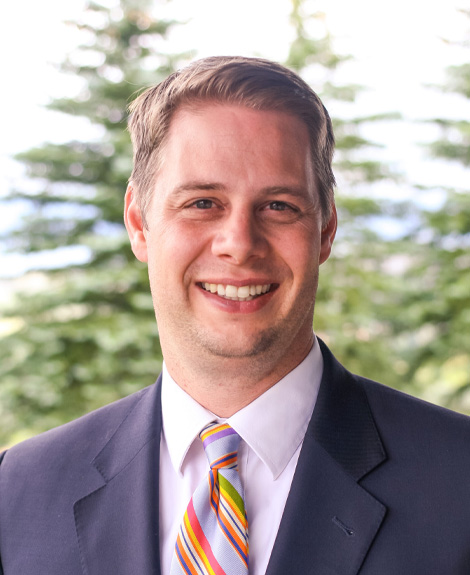
Jeff Cardon’s estate planning work is focused on the planning behind the documents: identifying which terms fit the situation, how assets should be owned, who should have authority, what risks need to be addressed, and whether the plan conforms to the law, tax rules, family circumstances, and conditions on the ground.
That professional judgment matters most when the client’s life does not fit a generic form. Business interests, real estate, family complexity, asset protection concerns, tax issues, and long-term beneficiary planning all require more than paper. They require a plan that is built around the actual circumstances.
Make Sure the Plan Matches the Life
An estate plan should do more than name beneficiaries. It should coordinate ownership, authority, risk, and intent so the people and responsibilities you care about are protected when the plan is needed.
If your family, business, investments, or long-term goals involve more than a basic transfer of assets, Cardon Law can help you evaluate the structure and build a plan that fits.
Cardon Law Resources
Helpful Guidance for Planning Ahead
Subscribe for occasional insights on estate planning, trust administration, asset protection, and business planning. Our goal is to help you stay informed before important decisions arise.