For Real Estate Investors

Estate Planning for Real Estate Investors

Building a real estate portfolio creates more than a collection of properties. Each acquisition can add another entity, loan, partner, manager, tax issue, and source of liability. Cardon Law helps real estate investors coordinate ownership, protection, incapacity, tax, and succession planning so the portfolio can remain manageable during life and easier for others to carry forward.

Schedule a Consultation
Woman holding a tablet outside a multifamily residential development.

Your Estate Plan Should Reflect the Entire Portfolio

Real estate investors often build their portfolios one acquisition at a time. One property may be owned individually, another through an LLC, and another with a partner. Loans, operating agreements, property managers, insurance policies, and trusts are added as opportunities arise. Each piece may make sense on its own even when the complete structure has never been reviewed together.

That matters because an estate plan does not operate separately from the portfolio. Ownership determines what the plan can control. Entity documents affect who may manage or receive an interest. Personal guarantees and liabilities can connect property risk to personal wealth. Incapacity or death can leave someone else responsible for tenants, repairs, lenders, distributions, and co-owners before that person understands how the pieces fit.

The objective is not to force every property into the same structure. It is to know what owns each asset, why the structure exists, who has authority at every layer, and what should happen when the investor can no longer make each decision personally.

A property list shows what exists. A coordinated plan explains how it all works together.

Why Real Estate Changes the Planning

A growing portfolio creates layers of ownership, exposure, authority, and family responsibility. These four realities shape the planning analysis.

Ownership Exists in Layers

The investor may own property directly, through an LLC, through a partnership, or through a trust that owns an entity interest. Deeds, operating agreements, assignments, and estate-planning documents must tell the same story. A trust cannot control an asset or interest that was never properly connected to it.

Each Property Adds Exposure

Every property can introduce tenants, visitors, contractors, environmental conditions, debt, and contractual obligations. Insurance and entities may contain part of that risk, while personal guarantees, direct conduct, or gaps in the structure can allow exposure to travel beyond one property.

The Portfolio Still Needs Decisions

Incapacity does not pause rent collection, repairs, loan obligations, partnership votes, or time-sensitive transactions. Someone may need authority under the estate plan, trust, and entity documents before that person can keep the portfolio operating or work effectively with property managers and advisors.

Real Estate Is Hard to Divide

A portfolio may be valuable without being easy to divide among family members. Equal ownership can place several heirs into the same properties even when their interests, skills, and financial needs differ. The plan must address both economic inheritance and the practical responsibility of managing what remains.

Planning Around the Whole Portfolio

The plan should connect each property and entity to the investor’s personal estate plan, risk strategy, decision-makers, and long-term intentions.

  1. Map Ownership and Purpose

    Create an accurate inventory of each property, its title, debt, entity, ownership partners, governing agreement, manager, and personal guarantees. Record why each structure exists and whether it still serves that purpose. This map becomes the starting point for identifying ownership gaps and unnecessary complexity.

  2. Build the Personal Foundation

    Real estate investors still need the foundational planning every family relies on: clear incapacity authority, a plan for death, a revocable trust when appropriate, and instructions for the people who may need to step in. The portfolio should connect to that personal foundation rather than sit beside it.

  3. Separate and Layer Risk

    Review insurance, property-level entities, contractual obligations, statutory protections, and personal wealth as parts of one risk-management system. When substantial assets remain exposed outside the operating portfolio, advanced trust planning may provide another layer, but it should complement rather than replace insurance and sound entity structure.

  4. Coordinate Incapacity Authority

    Identify who can collect income, approve repairs, communicate with lenders, exercise voting rights, manage entity interests, and make sale or refinancing decisions if the investor cannot act. The authority granted by the estate plan must align with the roles and restrictions created by each trust, LLC, and partnership agreement.

  5. Review Tax Consequences Before Transfers

    A sale, exchange, gift, ownership change, or death can change the tax analysis. Review income-tax basis, capital-gain exposure, transfer-tax objectives, and transaction timing before moving property or entity interests. Some planning opportunities depend on acting before the ownership change or transaction is substantially complete.

  6. Design Management and Succession

    Decide whether the portfolio should continue, be sold, or be divided over time. Identify who will manage it, how that person will be compensated, how income and expenses will be allocated, and whether family members need buyout or liquidity options. The inheritance should include a workable decision-making structure, not only fractional interests.

Planning as the Portfolio Grows

The first rental and a mature portfolio do not create the same planning demands. Revisit the structure as the number of properties, equity, debt, partners, and people depending on the portfolio change.

  1. First Investments

    Establish the Foundation

    Create the personal estate plan, document ownership, confirm insurance, and decide who could handle the property if the investor were temporarily unavailable. The early priority is to keep a manageable structure while establishing dependable authority and basic succession.

  2. Portfolio Growth

    Separate and Document

    As properties and partners are added, review whether ownership and entity separation still match the risk. Keep deeds, operating agreements, assignments, accounts, and management responsibilities current so the portfolio does not become a collection of arrangements only the investor understands.

  3. Substantial Equity

    Protect Accumulated Wealth

    When the portfolio and personal balance sheet contain meaningful equity, evaluate what still needs to remain exposed to ongoing investment risk. Coordinate insurance, entities, exemptions, and trust planning before a lawsuit, creditor problem, or other storm appears.

  4. Transition or Sale

    Plan Before Ownership Changes

    Before a major sale, exchange, refinancing, gift, or restructuring, review how the proposed transaction affects ownership, tax objectives, liability, and the estate plan. Acting early preserves time to evaluate options that may narrow once documents are signed or a transaction is substantially complete.

  5. Long-Term Legacy

    Prepare the Next Decision-Makers

    Clarify whether the family should retain, sell, or divide the portfolio and who will make those decisions. Give trustees and heirs enough information to understand the entities, properties, partners, cash flow, and purpose behind the structure they may eventually inherit or administer.

Explore the Planning Behind the Portfolio

These broader planning areas address the personal, ownership, risk, and administrative questions that surround real estate wealth.

  • Foundational Planning

    Establish the trust, incapacity, and succession documents that give family members and decision-makers a dependable personal framework.

  • Business Planning

    Coordinate LLC interests, partnership agreements, management authority, and ownership transitions with the investor’s estate plan.

  • Advanced Planning

    Evaluate asset protection, income-tax opportunities, transfer-tax concerns, and long-term family objectives that extend beyond foundational documents.

  • Trust Administration

    Prepare trustees and family members to carry out the plan when properties and entity interests must be managed after incapacity or death.

Integrated Planning

No One Should Have to Reconstruct the Portfolio During a Crisis

A real estate investor may know why every LLC exists, which partner can approve a sale, which loan carries a personal guarantee, and which property manager can be trusted with a difficult building. That knowledge often develops over years and may never appear in one place.

A spouse, trustee, child, or agent may inherit the responsibility without inheriting the investor’s mental map. A coordinated plan begins by identifying the properties, entities, ownership interests, agreements, debt, and people involved. It then verifies how those interests connect to the trust and who has authority if the investor becomes incapacitated or dies.

The goal is not to eliminate every entity or make a substantial portfolio simple. It is to make the structure coherent enough that another responsible person can understand what exists, keep essential decisions moving, and know when legal, tax, financial, or property-management advice is needed. The family should receive a usable system, not a stack of deeds and operating agreements without an explanation.

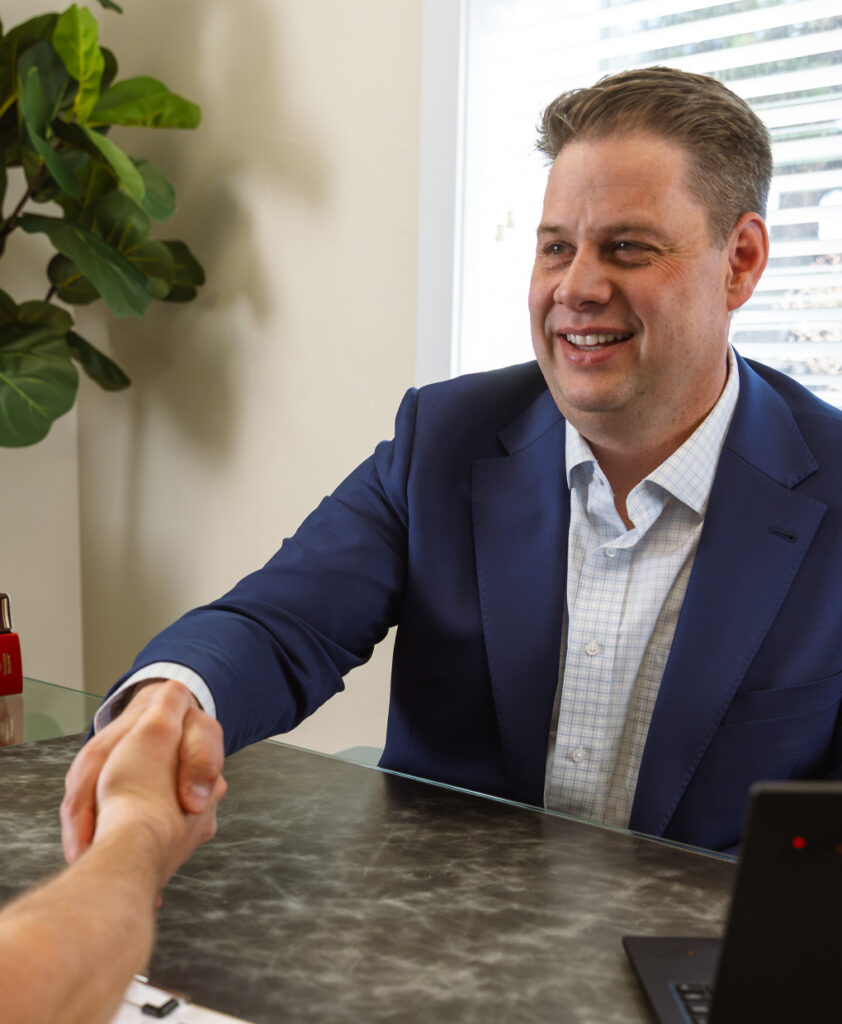
Jeff Cardon meeting with a client at his Pleasant Grove, Utah office.

Questions Real Estate Investors Ask

Build a Plan Around the Whole Portfolio

Your properties may sit in different entities, involve different partners, and serve different purposes. Your estate plan should make those relationships easier—not harder—for the people who may one day have to manage them. Cardon Law can help you review what exists, identify gaps between ownership and intent, and coordinate a plan for the portfolio, the wealth around it, and the family it is meant to support.

Schedule a Consultation