Protect Assets During Life
Reduce unnecessary exposure to business, investment, professional, and personal risks before a creditor problem or other threat arises.
A foundational estate plan prepares for incapacity, death, and the transfer of assets. Advanced estate planning goes further—addressing the risks, opportunities, transactions, and family circumstances that arise while life is still happening.
It is where planning becomes more strategic for your life, your assets, and the people you care about.

A revocable trust and other foundational documents can accomplish a great deal. They can help avoid probate, prepare for incapacity, establish who will manage your affairs, and create a structure for beneficiaries after your death.
But some objectives require more. You may want to protect assets during your lifetime, prepare for a business sale or other major transaction, reduce income or transfer taxes, pursue charitable goals, or address family and beneficiary circumstances that require a more specialized structure.
Advanced planning begins when the objective extends beyond simply avoiding probate or transferring assets at death.
It is not defined by one particular type of trust. Irrevocable trusts are often part of advanced planning, but the real distinction is purpose: identifying the goal, understanding what the law makes possible, and deliberately structuring assets, ownership, authority, and timing around that objective.
Advanced planning is where you begin using the law strategically for your own life and for the lives of the people you care about.
Advanced planning begins with the objective. Different goals may require different combinations of trusts, entities, tax strategies, ownership structures, and decision-makers.
Protect selected assets from business, investment, professional, and personal risks using trusts, entities, exemptions, and carefully designed ownership structures.
Address gift, estate, and generation-skipping transfer taxes through exemption planning, strategic transfers, and structures designed for long-term family wealth.
Coordinate charitable goals with family, income-tax, transfer-tax, and legacy objectives through specialized trusts, funds, foundations, and other giving strategies.
Address state income tax, QSBS opportunities, capital gains, and step-up-in-basis planning when significant assets or transactions create meaningful tax exposure.
Plan for liquidity, succession, ownership transfers, business exits, and major transactions before timing or completed events limit available planning opportunities.
Address special needs, difficult beneficiary circumstances, disability-related concerns, and other situations that require more specialized planning than a foundational plan provides.
Advanced planning is often about acting while options still exist. The right structure can protect what has already been built, position assets for an anticipated transaction, take advantage of available tax law, and create enough flexibility for a plan to continue working as circumstances change.
Reduce unnecessary exposure to business, investment, professional, and personal risks before a creditor problem or other threat arises.
Many tax, transaction, and asset protection strategies depend on acting before a sale, claim, transfer, or change in law.
Align ownership, tax treatment, legal structures, and decision-making authority with the specific objective you are trying to accomplish.
Create enough flexibility to respond when laws, family circumstances, beneficiaries, trustees, or other conditions change over time.
01
The structure should follow the objective, whether the goal is protection, tax planning, succession, charitable giving, or long-term family planning.
02
Some strategies depend on timing, especially before a sale, transfer, creditor problem, significant appreciation, or change in applicable tax law.
03
Separating administrative, investment, distribution, and oversight authority can create checks and balances and place important decisions with the right people.
04
The structure should preserve its purpose while allowing appropriate flexibility as laws, trustees, beneficiaries, family circumstances, and other conditions evolve.
Advanced planning should begin with the objective, not with a trust name or legal technique. The first question is what you are actually trying to accomplish and which legal, tax, business, or family circumstances affect that goal.
From there, the planning has to consider timing, control, and flexibility. Some opportunities disappear if action comes too late, while others depend on carefully deciding who should hold particular powers and how the structure can adapt over time.
Estate planning often brings up more questions than answers. Cardon Law in Pleasant Grove, Utah created these FAQs to help you understand common planning issues, get answers to the basics, and make better use of your time before scheduling a conversation. Start with the related questions here, or use the button below to view the full FAQ library and explore more planning topics.

Sophisticated planning starts with understanding the objective, the available legal and tax opportunities, and the tradeoffs between control, protection, flexibility, and timing.
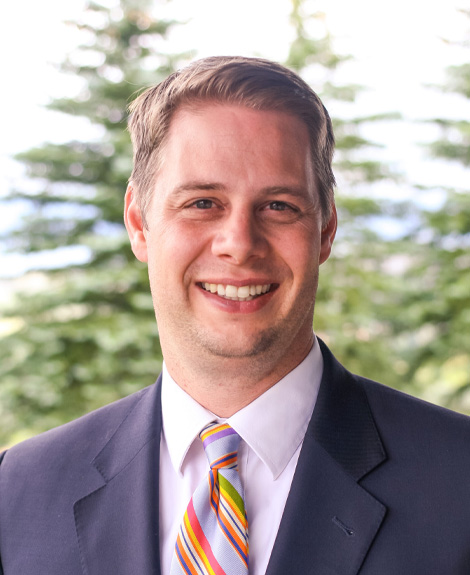
Jeff Cardon helps clients evaluate those issues and design structures around their actual circumstances. The documents memorialize the plan; the real value is the judgment that determines what those documents need to accomplish.
The best time to address a business sale, growing liability exposure, a tax opportunity, or a complicated family circumstance is usually before the event forces the decision.
Advanced planning can help identify which opportunities apply, what needs to happen now, and how to build a structure that remains useful as your life, business, and family evolve.
Subscribe for occasional insights on estate planning, trust administration, asset protection, and business planning. Our goal is to help you stay informed before important decisions arise.